Market Report - June 2026
#CropReport
BLACK PEPPER
Indonesia:
Harvest Season: July to September
- The Indonesian pepper market remains silent with limited activities being off-season.
- Irregular rainfall and prolonged dry spells have negatively affected flowering and berry formation, anticipating a lower crop yield in the fourth-coming season.
- Maintenance of pepper plantations has declined, with some farms partially neglected due to rising labour costs.
- Farmers are increasingly shifting toward more profitable crops such as coffee and durian.
- Above factors are expected to have an adverse impact on the next crop output.
- Carry forward stocks are limited compared to previous years. This will also tighten the availability of material and will lead to price hike.
Sri Lanka-India:
Harvest Season: April – June. / Dec-Jan
- The current harvest season is active, with peak arrivals of light berries going on now.
- Berry development is reported to be healthy due to favourable weather conditions, including lower rainfall during maturity and improved sunlight for drying operations.
- With the weak price trends seen due to lower demand, farmers are slowing down the immature harvest of light berries, leaving the pepper to mature on the vines.
- Market is expected to firm up once the demand picks up.
- Prices are currently at USD 8000-8300/MT levels, for 9% piperine material.
- Limited plucking of light berries and season almost ending for light berries, a major price reduction is not expected in the near future, considering the very poor demand too.
Vietnam:
Harvest season: December to February
- With harvest fully completed across the growing belts, the overall crop is estimated to be lower than last season.
- Crop conditions are reported as moderate to good in quality; however, yields are lower compared to last season due to unfavourable weather during flowering and berry formation.
- Domestic supply remains lagged, with farmers and local traders holding back stocks expecting higher prices.
- Overall market sentiment remains bullish due to lower global supply and sustained export demand.
CAPSICUM:
Harvest Season: December to May
- Earlier rainfall and heat stress negatively affected crop quality across major growing areas. Pest and disease pressure remains high, leading to increased pesticide usage.
- IPM-grade and residue-compliant chillies are becoming increasingly difficult to source, as intensive pesticide applications have resulted in higher defects, lower colour values, and inconsistent pungency in late-harvest lots.
- Farmers and stockists have moved substantial quantities into storage expecting stronger off-season prices. Cold storage stocks are estimated to be 50–55% lower than last year.
- Export demand from Bangladesh, China, and South Asian markets remains active, particularly as Bangladesh continues to depend heavily on Indian chilli imports due to domestic crop shortages.
PAPRIKA:
Harvest Season: November- April.
- Availability of premium-quality paprika remains tight, with buyers actively securing stocks for upcoming demand cycles.
- Prices remain firm due to reduced crop size and strong demand from oleoresin and seasoning industries.
- New sowing conditions will depend heavily on monsoon performance and irrigation availability across producing regions.
GINGER:
Harvest Season: December- March
- Early monsoon activity and scattered pre-monsoon rains are supporting fresh sowing in southern regions, although uneven moisture conditions persist in some belts.
- If monsoon conditions remain favourable during June–July sowing, the market may stabilize later; otherwise, prices may continue strengthening into Q3 2026.
- Farmers are closely monitoring rhizome rot and fungal disease pressure as humidity levels increase ahead of monsoon arrivals.
- Acreage in several producing belts is slightly lower compared to previous seasons due to high cultivation costs and disease pressure in earlier crops. Production is estimated to remain 15–25% lower in some regions if weather instability persists.
- Nigeria’s ginger sector is gradually recovering following previous export disruptions and disease-related challenges, with exporters increasingly focusing on organic and premium-quality ginger.
- Extraction grade dry ginger availability in India is limited. Price has increased to USD 2000/Mt.
NUTMEG:
India:
Harvest season: May to August
- India’s nutmeg crop condition is reported to be moderate to good across growing regions.
- The crop is presently in the harvesting and maturation stages in several Kerala regions.
- Demand from extraction and essential oil sectors remains strong, supported by stable export enquiries from Europe, the Middle East, and the USA.
- The major buying by large extractors has pushed the prices up during the season. At present, raw material prices are in the range - USD 1190 - USD 1250/MT.
Indonesia:
Harvest Season: March- April, July – August
- Current price for Nutmeg BWP Without shell falls between USD 4300 to USD 4700 per MT.
- Season ongoing, production is steady.
- Indonesian nutmeg crop conditions are currently stable to slightly firm, with mixed quality availability in the market.
- The hot summer has adversely affected the crop quality.
- Due to excessive heat, there is premature fruit drop seen.
- Arrivals are expected to be impacted as weather is not supportive, which will impact the price trends as well.
CARDAMOM:
Harvest Season: August- November
- It is off-season for cardamom.
- RM arrivals are reduced and carry over stock is not available. RM price is in the range of USD 31800/MT.
- Arrivals at auction centers remain tight, as supply is below normal, supporting firm prices. The next picking is expected to start by July.
- Market is firm, supported by tight arrivals, increased demand both in export and domestic markets.
- Prices are expected to remain firm with the limited supply until the new harvest expected in September.
- Small cardamom plantations across Kerala, Karnataka, and Tamil Nadu are presently in good to moderate condition due to improved moisture availability and favourable monsoon expectations.
- Weather continues to be a key factor, as higher temperatures and uneven rainfall patterns are increasing concerns regarding pest incidence and flower drop.
- Export enquiries from Gulf countries remain active ahead of seasonal buying cycles, while reduced Guatemala production continues to support Indian export opportunities.
CORIANDER:
Harvest Season: March – May.
- Prices are currently stable on USD 1200 per MT.
- 2026 crop - Slight decline in acreage compared to last year due to crop diversification, farmers are shifting to mustard and cumin in some regions.
- Harvesting has largely concluded in Rajasthan and Madhya Pradesh, while arrivals are narrowing after the March–April peak season.
- Carry-forward stocks exist but are insufficient to fully offset production declines, resulting in tightening physical stocks among traders and farmers.
- Export demand continues to remain steady.
TURMERIC:
India:
Harvest season: February - April
- It is off-season currently.
- As the carry forward stocks were almost nil, whatever is coming to market is instantly picked up by grinding and extraction companies. This keeps the price extremely firm and material are in short supply, despite fair arrivals.
- Short term trend is highly upward. Future trend will depend on how demand remains.
- Turmeric sowing area is estimated nearly 4% higher year-on-year, although localized weather and disease issues are affecting yield quality in some regions.
- Arrivals in major mandis remain moderate to low as farmers continue holding stocks. Export demand remains active while domestic industrial consumption stays steady.
- Export demand continues to support the market, particularly from the extraction industries, pharmaceuticals, and nutraceutical sectors.
- Being off-season, availability of high curcumin grades is very limited.
Vietnam:
Harvest season: February - April
- Season is on now. Prices are high, @ USD 1850/MT levels.
- High-curcumin turmeric and extraction-grade material continue to receive stronger demand compared to standard grades.
Indonesia:
Harvest Season: August- November
- New season harvest has commenced, and farmers have started to slice and dry the crop.
- As the weather improves over the coming weeks the availability is expected to improve.
- However, the crop volumes will be lower than the last season, as the area of cultivation has been reducing year-on-year.
- Farmers are migrating to crops like elephant yam and corn, which fetches them better prices.
- The wet turmeric, which has a huge domestic household kitchen consumption, fetches a much higher price and therefore the farmers prioritize this segment.
- New season rates have been on the higher side due to increased prices of packing materials, additional freight from the crop areas to main warehouses, additional export freight rates etc.
CELERY:
Harvest Season: May- June.
- Celery seed crop in Punjab and Haryana is currently in harvesting stages, with fresh arrivals gradually entering the market.
- Cultivated acreage is estimated to be lesser than last year.
- Celery seed prices have moved upward above last year’s levels, due to limited carry-over stocks and increased industrial demand.
- Export demand remains firm, which is supporting the upward price trend.
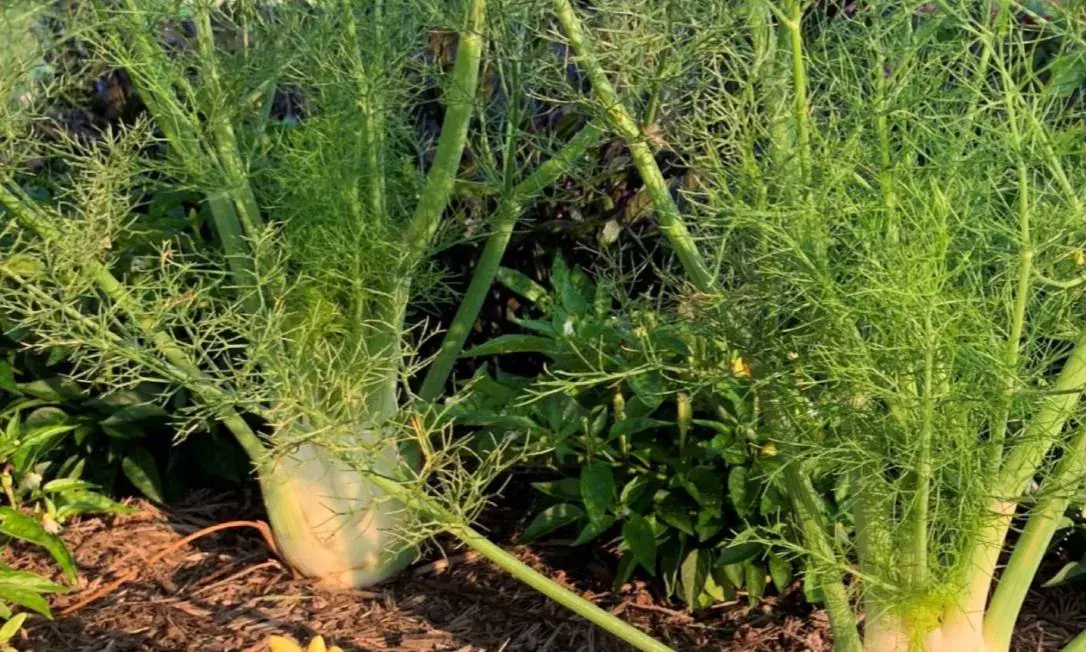
FENNEL:
Harvest Season: February- May
- Season is almost over.
- RM price is at a stable condition, at USD 1500/MT.
- Availability of export-quality green fennel remains tighter this season, particularly premium bold-quality material.
GARLIC:
Harvest Season: March – May.
- Current price for Garlic bulbs is in the range of USD 1140/Mt and Garlic flakes in the range of USD 1710/Mt.
- Harvest arrivals remain active across major mandis, increasing spot market supply.
- Some producing belts experienced unseasonal weather and heat stress, affecting bulb size and storage quality.
- Farmers continue to hold better-quality stock in anticipation of higher prices later in the season.
- Export demand remains moderate but is gradually improving, which will push the prices up.
FENUGREEK:
Harvest Season: June-July and October-November.
- Currently price has increased to USD 945/MT from USD 850/MT level.
- Acreage this season was slightly lower in key belts, resulting in tighter overall supply compared to last year.
- Crop quality is generally reported as good, although extreme heat in some regions is affecting storage and movement conditions.
- Current market arrivals remain steady as farmers continue releasing stocks gradually.
- Prices are firm due to lower carry-forward stocks, reduced acreage, and stable export demand.
ONION:
Harvest Season: January- February, April-June, October -November.
- Current price for Onion RM is stable at USD 570/Mt, and Onion flakes in the range of USD 1198/Mt.
- India’s onion crop condition is currently average to weak due to unseasonal rainfall, heat stress, and storage losses in Maharashtra.
- Domestic demand remains steady, while export demand continues to stay slow due to weaker overseas buying.
CUMIN:
Harvest Season: February- May
- New crop harvesting is almost over. Cultivation area was 25% lower than last year.
- Despite this, prices have come down marginally, due to very poor demand.
- Major buyers like China and Bangladesh are slow so export demand is slightly weak.
- RM price currently in the range of USD 2500/mt.